
Separate three different “link” jobs
People say “backlink analysis” when they mean three tasks: (1) audit the links on your page (outbound and internal), (2) study who links to you, and (3) reverse-engineer who links to competitors. RankSEOTool’s free backlink analyzer focuses on job one — the live page’s link profile, anchors, follow/nofollow mix, and suspicious outbound destinations — with a link profile score you can re-run after edits.
Jobs two and three need inbound indexes (commercial tools) plus Google Search Console’s Links report for your own domain. Ethical competitive research uses those sources to find publishers and resource pages — not to spam them.
Build a competitor set that actually overlaps
Pick three to five domains that rank for the same commercial keywords in your US market — not global giants in an unrelated niche. Confirm overlap with the competitor rank checker and keyword gap checker. Bad competitor lists produce glamorous but useless link targets.
What “quality” looks like in practice
- Topical relevance: the linking page is about the same problem your page solves.
- Editorial context: the link sits inside useful content, not a bulk directory blob.
- Anchor diversity: brand, naked URL, and descriptive phrases — not only exact-match spam.
- Authority with sanity: a trusted niche site beats a random high-metric PBNs every time.
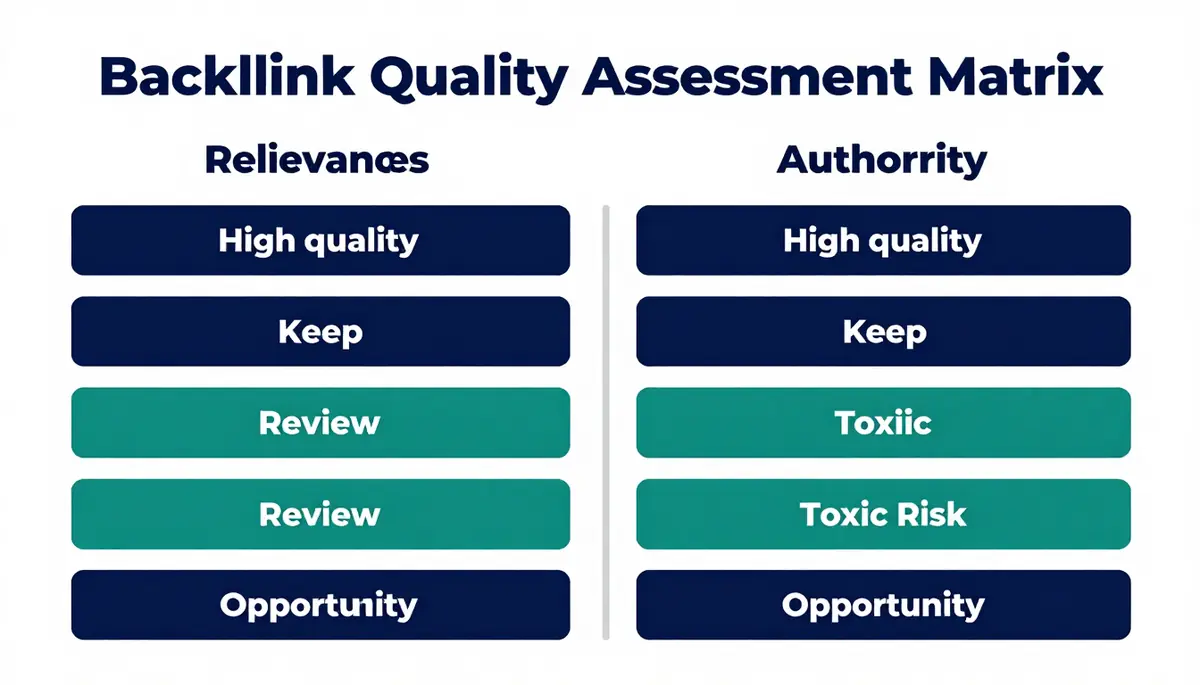
Plot prospects on a simple relevance × trust matrix. High/high = pursue with a real asset. Low/low = ignore. High spam risk = do not imitate.
Ethical reverse-engineering workflow
- 1List competitor URLs that rank for your money terms.
- 2Note publishers that repeatedly cite them (resource pages, data roundups, universities, associations).
- 3Check whether those publishers accept contributions, data, or tools.
- 4Build something worth citing: original data, a free calculator, a checklist, a glossary, a clearer guide.
- 5Outreach with specifics — what page, why their readers benefit — and track status honestly.
If you run outreach campaigns, keep a tracker (RankSEOTool’s outreach tracker is available for signed-in users) and only mark a backlink acquired when the live URL is confirmed. Never invent placements.
Page-level hygiene while you chase inbound links
Inbound links will not save a page that leaks authority to spammy outbound destinations or hides its best internal links behind “click here.” Run the analyzer on your money pages: fix HTTP leftovers, nofollow sponsored links appropriately, and add descriptive anchors to supporting articles and tools. While you audit, scan the same pages with the broken link checker — dead outbound links are the quickest authority leak to plug.
Pair link work with on-page clarity via the on-page SEO analyzer so newly earned clicks land on a page that deserves to convert and rank.
Toxic patterns to refuse copying
- Exact-match anchor blasts across low-quality domains.
- Link farms, PBNs, and paid schemes that violate Google’s spam policies.
- Irrelevant foreign directories that never send humans.
- Automated comments and scraped content footers.
If you inherit toxic inbound links, document them, clean what you control, and use Google’s disavow process only when you have a clear harmful pattern — not as a routine superstition.
Free-first stack, paid when scale demands
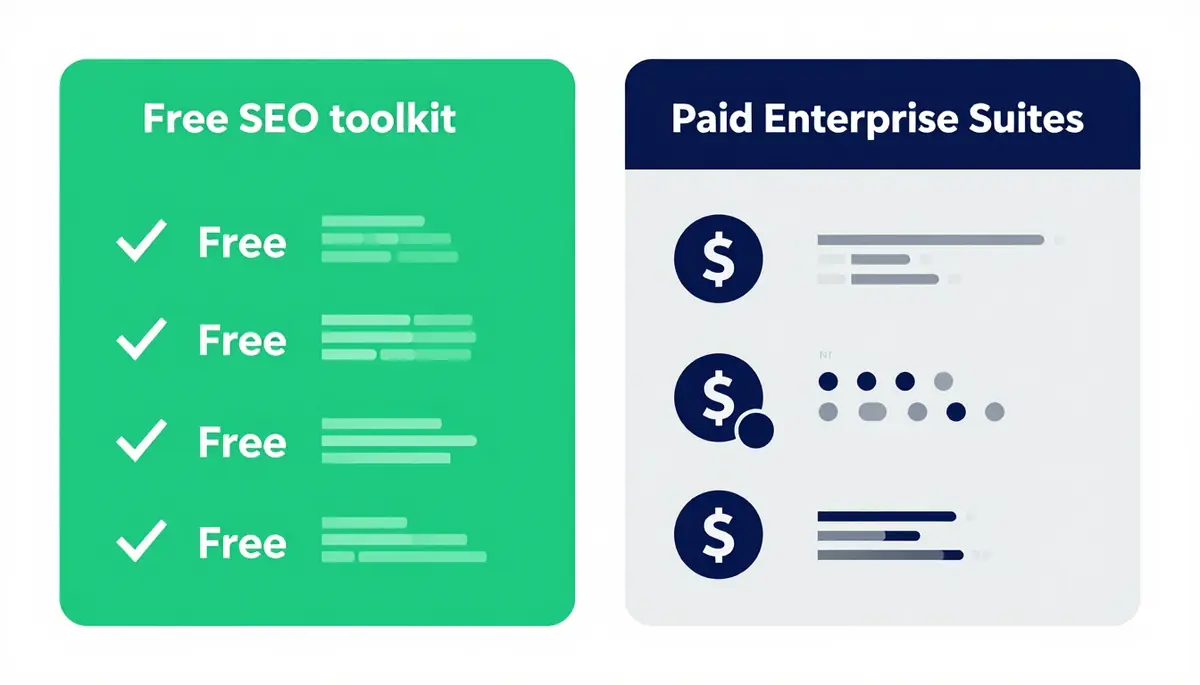
Start with Search Console, manual SERP reviews, competitor content inventories, and page-level audits. Add a commercial link index when you need crawl-scale discovery across thousands of referring domains. The point of reverse-engineering is prioritization: fewer, better pitches beat spray-and-pray.
Keep learning with the backlinks guides hub and the SEO glossary when terminology gets fuzzy. Sustainable link building is reputation work with a spreadsheet — not a secret hack.