
Why your browser lies (politely) about rankings
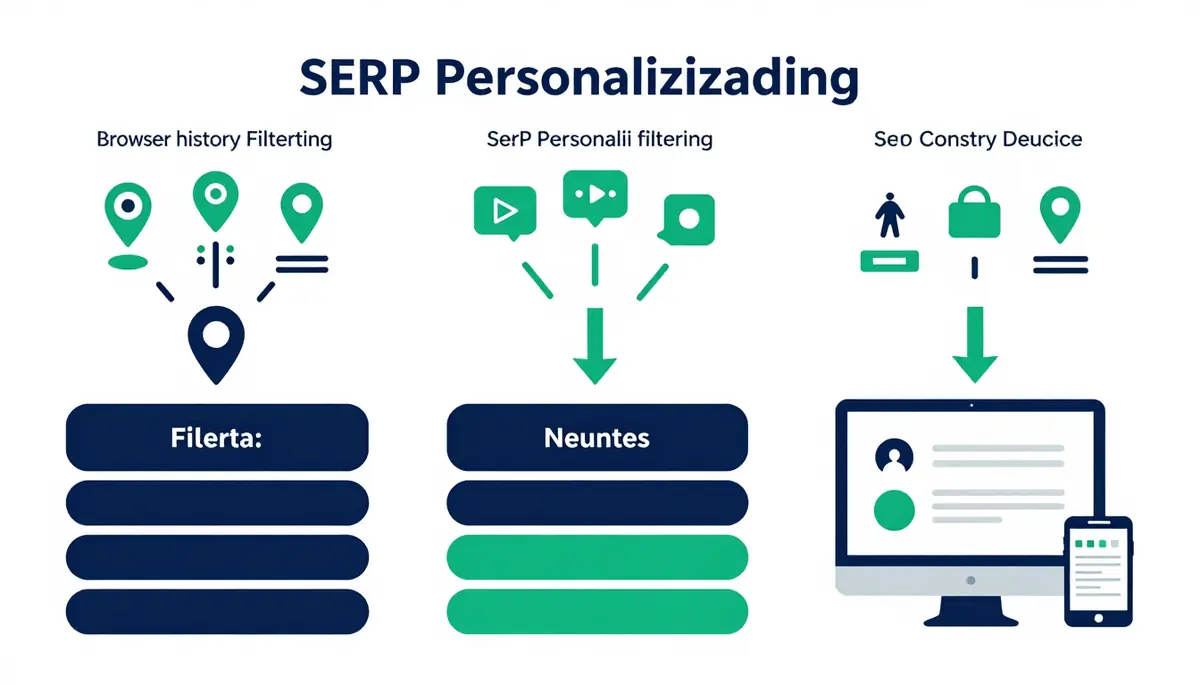
Google optimizes for the searcher in front of the screen. That means location, language, device, and prior activity can reshuffle results. When you search while logged in on your office Wi‑Fi, you may see a friendlier pack, different sitelinks, or a higher brand result than a first-time visitor in another city.
Cached tabs and “I’ve been here before” behavior compound the issue. A result you clicked last week can feel more prominent in your experience even when the underlying organic order for a neutral query is different. For SEO reporting, the goal is not “what I saw at lunch.” It is “what a representative searcher in this market would see right now.”
- Logged-in vs logged-out sessions can diverge on commercial queries.
- Mobile and desktop indexes still disagree on many keywords.
- City-level intent can surface a local pack that national checks never show.
- SERP features (ads, AI overviews, videos) change click distribution even when organic rank is stable.
Define the measurement before you chase the number
Accurate rank tracking starts with a written definition. Pick the keyword exactly as your audience types it. Pick the Google country locale that matches revenue — for most US businesses that is the United States locale. Pick desktop or mobile based on analytics, not habit. Write down the preferred landing URL you expect to rank.
Then decide the success rule. Is “page one” enough, or do you need top three? Are you defending a brand term or attacking a head term? Without that frame, every one-position swing looks like a crisis.
- 1List 10–25 money keywords (not your entire universe).
- 2Tag each with primary URL, locale, and device.
- 3Note whether local pack visibility matters for that query.
- 4Set a weekly check day so comparisons share the same cadence.
How to run a neutral rank check (practical workflow)
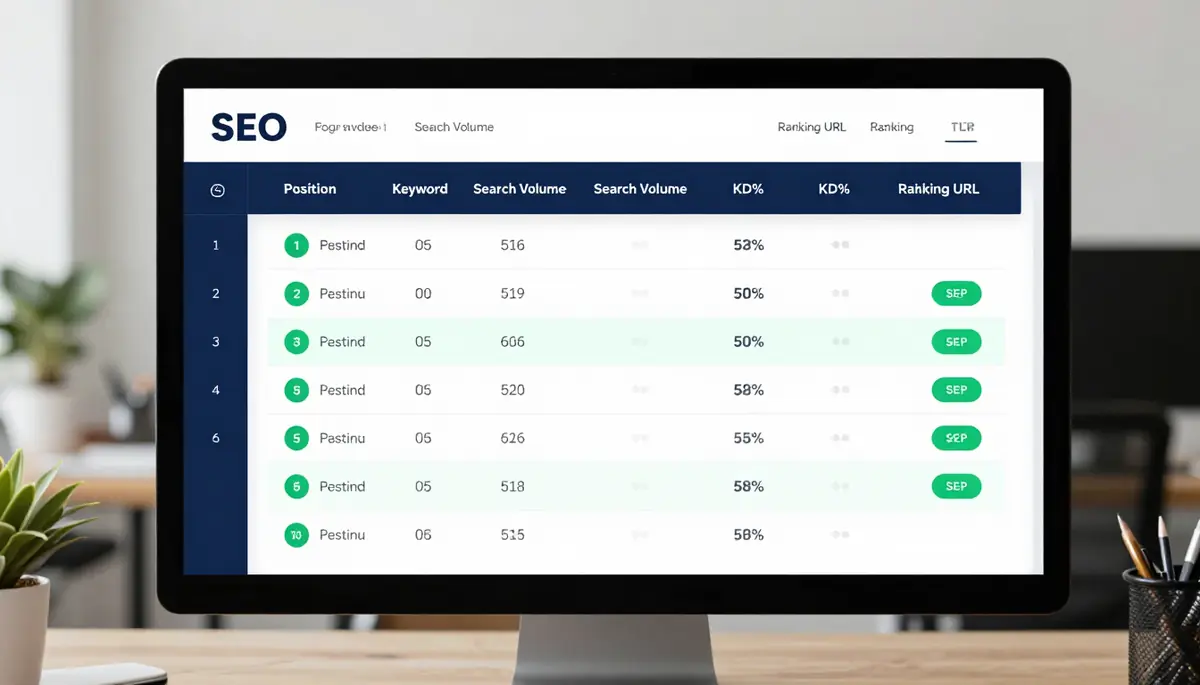
Use a tool that requests results for a specified country and device rather than scraping whatever your laptop happens to show. On RankSEOTool, open the free Google rank checker, enter the domain and keyword, choose locale and device, and run the check. Record position, ranking URL, and the top competitors in a sheet or CSV export from bulk tools when you need portfolio views.
When live third-party SERP data is not configured, tools may show clearly labeled sample data so you can still learn the interface. Never mix unlabeled demo rows into client reports. If a provider is configured, treat each run as a fresh snapshot — not a multi-year archive unless you store history yourself.
- Same keyword spelling every week (plurals and word order matter).
- Same locale and device — otherwise you are comparing different SERPs.
- Capture the ranking URL, not just the domain.
- Re-check after big content launches, migrations, and known algorithm volatility windows.
Read the SERP, not only the rank integer
A jump from 8 to 5 means little if a featured snippet, local pack, or dense ad block still owns the fold. Pair rank checks with a SERP checker pass on your highest-value terms. Ask: What format wins (guide, category, product, video)? Who owns the features? Is intent informational or transactional?
Also watch for the wrong-URL problem. If Google ranks a thin tag page instead of your money guide, fix internal links, consolidate cannibalizing URLs, and clarify the title/H1 match before you buy links to “boost rank.”
Build a weekly rank ritual that survives volatility
Daily obsession creates false alarms. Most teams do better with a Monday portfolio check on core terms, a deeper dive when a keyword drops more than a few positions for two consecutive weeks, and an incident check after site changes. Use the rank drop checker mindset: severity, traffic impact estimate, and a short recovery hypothesis.
Store history in a spreadsheet or BI tool you control. Export CSVs from bulk and competitor tools when available. Your archive is the difference between “it feels worse” and “we lost four positions on three commercial terms after the template change.”
- 1Weeklys: core keywords, same settings, log positions.
- 2Monthlys: competitor side-by-side on shared terms.
- 3Quarterlys: prune keywords you no longer sell; add new demand.
- 4Always: annotate site releases next to the chart.
Common mistakes that wreck rank accuracy
- Trusting an incognito search on office IP as “the national rank.”
- Mixing mobile and desktop rows in one trend line.
- Reporting domain rank while a subdomain or wrong path actually ranks.
- Ignoring local pack presence for service-area businesses.
- Chasing vanity head terms without checking keyword difficulty.
Accuracy is a process: controlled inputs, repeated measurement, SERP context, and honest labeling of estimates. Do that consistently and your ranking data becomes a decision tool instead of a mood ring.